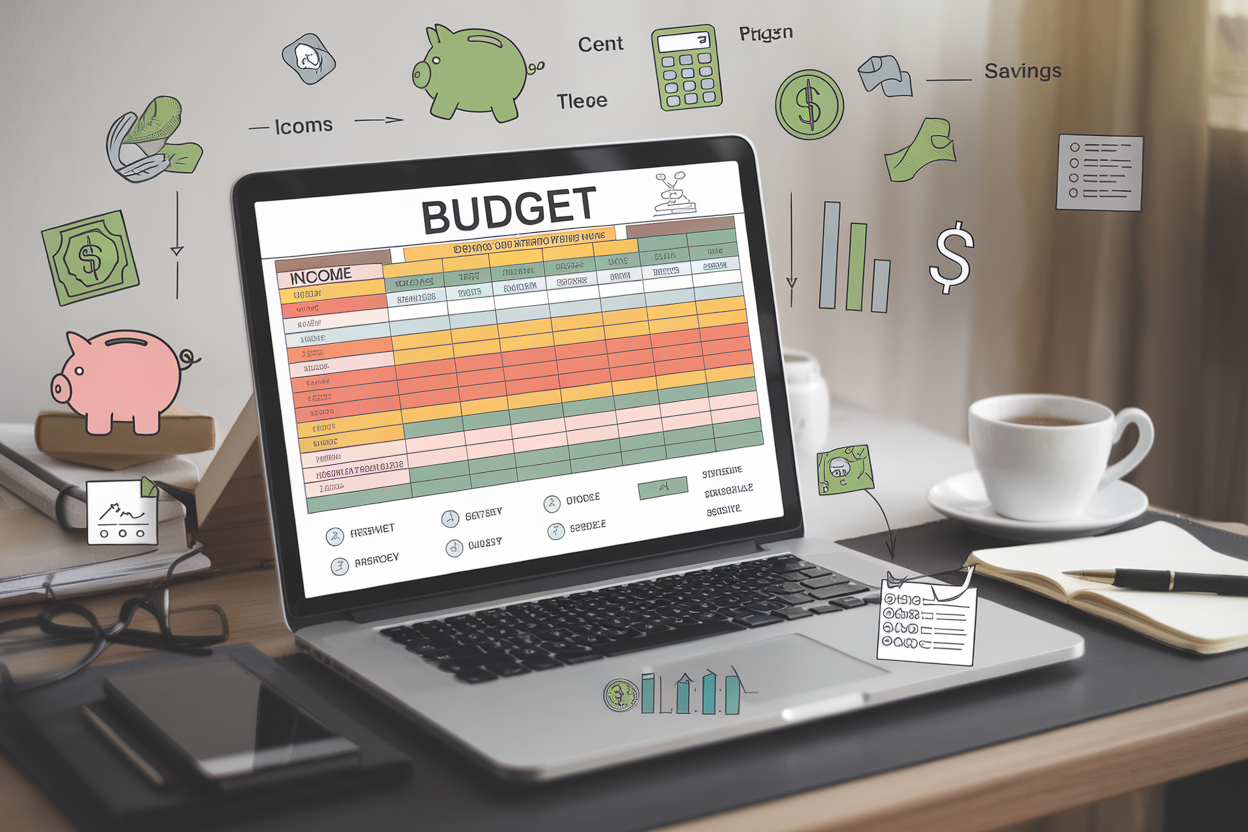
Managing your personal finances can sometimes feel overwhelming, but with the right tools and a strategic approach, you can gain control of your money and work towards achieving your financial goals. One of the most effective ways to do this is through planning and budgeting. Using a spreadsheet to track income, expenses, and savings allows you to make more informed financial decisions and increase your overall savings. In this article, we’ll explore how effective planning and budgeting with spreadsheets can help you save more money and build a path toward long-term financial security.
Introduction: The Importance of Financial Planning
Financial planning is the cornerstone of building wealth and achieving financial stability. It allows you to set realistic goals, prepare for future expenses, and make the best use of your resources. Without a plan, it’s easy to lose track of where your money is going, overspend, or fall short of savings targets.
A financial plan serves as a roadmap, guiding you through various stages of life, whether you’re saving for an emergency fund, paying off debt, or preparing for retirement. Central to effective financial planning is the practice of budgeting, which ensures that you allocate funds to meet your goals while managing your day-to-day expenses.
The Role of Budgeting in Effective Financial Planning
Budgeting is the process of creating a plan to manage your money by balancing your income against your expenses. It’s an essential step in achieving financial success because it helps you:
- Track spending: You’ll understand exactly where your money is going and can identify areas to cut back.
- Prioritize savings: With a budget, you can allocate a specific amount of money toward savings each month.
- Avoid debt: Sticking to a budget helps prevent overspending, reducing the need to rely on credit cards or loans.
- Achieve financial goals: Whether it’s saving for a vacation, a new home, or retirement, budgeting ensures that you’re working toward your objectives.
While many people shy away from budgeting because they think it’s restrictive, it’s actually a tool for financial freedom. A good budget gives you control over your money, rather than letting your money control you.
Why Spreadsheets Are the Best Tool for Budget Management
In today’s digital age, there are many tools available for budgeting, but spreadsheets remain one of the most powerful, flexible, and effective options. Here’s why:
- Customizable: Spreadsheets allow you to tailor your budget to your specific needs, whether you’re managing personal finances or a household budget.
- Comprehensive: Unlike budgeting apps that may focus on specific areas, spreadsheets provide a full view of your financial picture.
- Automated calculations: You can use formulas to automatically sum totals, track percentages, or calculate savings goals, reducing manual effort.
- Cost-effective: With programs like Excel or Google Sheets, you can create a budgeting spreadsheet for free or at a minimal cost.
- Accessible: You can access your spreadsheet from any device, especially if you use a cloud-based tool like Google Sheets, making it easy to update on the go.
Using a spreadsheet gives you the flexibility and control you need to manage your finances efficiently, without the limitations of pre-designed budgeting software.
Step-by-Step Guide: Creating a Savings Plan with a Budget Spreadsheet
Creating a savings plan using a budget spreadsheet is a straightforward process, but it requires thoughtful planning and a bit of discipline. Follow these steps to get started:
- List Your Income: Start by identifying all sources of income, such as your salary, side jobs, rental income, or investments.
- Track Your Fixed Expenses: Fixed expenses include rent, mortgage payments, insurance premiums, car payments, and other monthly bills that are relatively stable.
- Record Variable Expenses: These are expenses that fluctuate each month, like groceries, dining out, entertainment, and utilities.
- Set Savings Goals: Determine how much you want to save each month. This can be for specific goals (like vacations or emergency funds) or general savings.
- Calculate Disposable Income: Subtract your total expenses from your income to see how much money is left over each month.
- Allocate Funds for Savings: Use the leftover income to fund your savings goals. Adjust your spending if necessary to prioritize savings.
- Monitor and Adjust: Update your spreadsheet regularly and adjust your spending or savings targets as your financial situation changes.
Tracking Monthly Expenses and Income for Maximum Savings
Tracking your income and expenses is a vital part of successful budgeting. A well-designed spreadsheet allows you to see all of your financial data in one place, making it easy to identify spending patterns and opportunities to save more.
- Income: Enter your income streams, including salary, freelance work, and passive income.
- Expenses: Track both fixed and variable expenses. Consider categorizing them into groups (e.g., housing, transportation, food, and entertainment) to see which areas of your life are consuming the most money.
- Adjusting Monthly: Compare your planned expenses with your actual spending at the end of the month. If you’re overspending in certain categories, look for ways to reduce costs or reallocate funds.
The goal is to consistently track and review your finances so you can find additional ways to save.
Automating Your Budget Spreadsheet for Smarter Financial Decisions
One of the greatest advantages of using a budget spreadsheet is the ability to automate calculations. Here’s how you can make the most of it:
- Formulas for calculations: Use simple formulas like
=SUMto total your income and expenses, or more advanced formulas to track savings goals and investments. - Conditional formatting: Highlight overspending or unmet savings goals with color-coded conditional formatting. For example, set a rule that flags any category where your expenses exceed your budget.
- Graphs and charts: Visual aids such as pie charts or bar graphs can give you an instant snapshot of your financial health, helping you make quicker decisions about where to cut costs or increase savings.
Automation not only saves time but also reduces human error, ensuring that your budget spreadsheet remains accurate and up to date.
Adjusting Your Budget Regularly to Increase Savings Over Time
Budgeting is not a one-time activity; it requires consistent updates and adjustments. As your income, expenses, and financial goals change, your budget should adapt accordingly.
- Quarterly Reviews: Take the time to review your budget every three months. Adjust for changes in income, new bills, or upcoming savings goals (such as vacations or holiday shopping).
- Increase Savings Incrementally: If you receive a raise or bonus, allocate a portion of that increase to savings rather than spending it all.
- Adapt to Life Changes: Major life events such as buying a home, having children, or switching jobs require significant adjustments to your budget. Updating your spreadsheet ensures you stay on track.
Regularly reviewing your budget keeps you aware of your financial standing and helps you stay disciplined in meeting your savings targets.
Real-Life Examples of Savings Achieved through Budgeting and Planning
To show the impact that effective planning and budgeting with spreadsheets can have, let’s look at a few real-life examples:
- Case Study 1: A young professional was struggling with credit card debt. By using a budget spreadsheet, they were able to see exactly where their money was going each month. With careful tracking and reallocation of funds, they paid off $5,000 in debt in 12 months and started building an emergency fund.
- Case Study 2: A family of four was struggling to save for a down payment on a house. By creating a detailed budget spreadsheet and setting clear savings goals, they reduced unnecessary spending and saved $20,000 in two years.
These examples highlight how using a spreadsheet can provide a clear plan for saving and achieving financial freedom.
Conclusion: How Consistent Budgeting Leads to Long-Term Financial Security
Budgeting and planning are essential habits for anyone who wants to achieve long-term financial security. By using a budget spreadsheet, you can organize your income and expenses, set achievable savings goals, and regularly monitor your progress. The consistency in tracking and adjusting your budget helps you build healthy financial habits that lead to wealth accumulation over time.
If you’re ready to take control of your finances, consider investing in a professional Annual & Monthly Budget Spreadsheet. Our spreadsheet, available here, is designed to simplify your budgeting process, helping you track income, expenses, and savings effortlessly. With built-in formulas and customizable features, it’s perfect for anyone serious about improving their financial health.
External Resources:
Here are three informational external resources related to budgeting and personal finance management:
- NerdWallet: How to Create a Budget
This comprehensive guide walks you through the steps of creating a budget, offering tips and strategies for managing your money effectively. - Investopedia: Budgeting Basics
Investopedia provides a detailed breakdown of the basics of budgeting, explaining how to set up a budget and stick to it for long-term financial health. - The Balance: How to Make a Personal Budget
This article covers the fundamentals of creating a personal budget, including how to track income and expenses and adjust your budget over time.
These resources can help deepen your understanding of budgeting techniques and tools.